


What Refusing A Breath Test Triggers In Texas
TL;DR:
Refusing a breath test in Texas does not end the DWI case. It can trigger an automatic license suspension, the officer’s warning says the refusal may be used in a later prosecution, and police may still seek a warrant for blood in some cases. The first serious deadline is usually the hearing request window, because waiting too long can let the suspension go into effect before the criminal case has even taken shape.
If you were arrested for DWI in Fort Worth, or your spouse is trying to figure out whether refusing the breath test helped, the real answer is that refusal starts a chain reaction. It may keep the officer from getting a voluntary breath specimen right then, but it can also trigger a license suspension, a separate hearing deadline, and in some cases a warrant request for blood. If you are dealing with a DWI charge in Fort Worth, the first step is to look at the arrest facts, the warning you were given, and whether police had another path to a specimen.
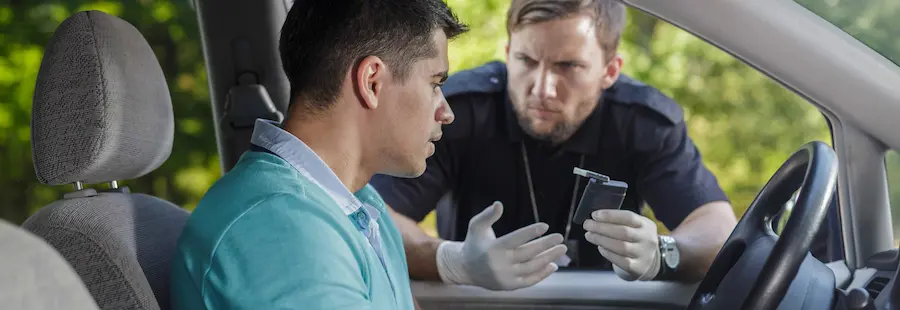
What Is Refusal Under Texas DWI Law
Texas uses implied consent rules. Under Tex. Transp. Code § 724.011, a person arrested for an intoxication related driving offense is deemed to have consented to a breath or blood specimen, subject to Chapter 724. That does not mean police can always take a specimen without more steps. It does mean the refusal decision happens inside a statute that already sets out warnings, suspension rules, and exceptions.
Refusal Starts After The Arrest Decision
The breath test refusal issue people usually mean is the post arrest request for a specimen under Chapter 724. That is why the question is not just, “Can I say no?” The better question is, “What does not trigger next?” Once the arrest has happened, refusal can start the license case even if the criminal case is later reduced, dismissed, or never reaches a conviction. That is one reason people get blindsided by the refusal paperwork.
What The Officer Must Warn You About
Before requesting a specimen, the officer must give an oral and written warning. That warning includes three points people often miss in the moment: refusal may be admissible in a later prosecution, refusal triggers an automatic license suspension of at least 180 days, and the officer may apply for a warrant authorizing a specimen. The same warning also tells adults 21 and older that submitting and testing over the legal limit brings a suspension of at least 90 days, which is one reason refusal can create the longer license problem even when people think they are protecting themselves.
License Consequences Start Fast After Refusal
The license side moves early. Under Tex. Transp. Code § 724.035, a refusal leads to a 180 day suspension, and the period rises to two years if the driving record shows one or more alcohol related or drug related enforcement contacts during the ten years before the arrest. That can be a hard shock for someone who thought refusal was the safer choice. It can also change the risk calculation fast if the arrest is already being treated as a repeat offense or a third offense DWI.
The 15 Day Deadline Is The First Big Problem
If you want a hearing on that suspension, the request has to be made quickly. Texas Transportation Code § 724.041 gives a person not later than the 15th day after notice of suspension or denial to request the hearing, and a timely request stays the suspension until the administrative law judge issues a final decision. Miss that window, and the suspension can take effect on the 40th day after notice. That is why the DWI process usually has to be treated as two tracks right away, the criminal case and the license case.
When Police May Still Seek Blood After Refusal
Refusal does not guarantee there will be no chemical evidence. Chapter 724 specifically warns that the officer may apply for a warrant authorizing a specimen to be taken. Texas law also says that, except for listed exceptions, a specimen may not be taken if the person refuses, which tells you something important about the structure of these cases. The fight often shifts from “I refused” to “What authority did police use next, and was it done correctly?”
A Warrant Can Keep The Evidence Fight Going
A refusal can still lead to blood evidence if officers get a warrant. Section 724.012(e) says an officer may not require the taking of a specimen unless the officer gets a warrant or has probable cause to believe exigent circumstances exist. So refusal may block a voluntary breath test, but it does not necessarily end the evidence issue. It may simply move the case into warrant, affidavit, timing, and blood draw procedure questions.
Some Facts Can Force The Specimen Issue
Texas also lists situations where police are to require a specimen if the person refuses. Those include certain crash cases involving death, likely death, serious bodily injury, or bodily injury with hospital transport, along with arrests for DWI with child passenger or boating while intoxicated with child passenger, and some cases involving qualifying prior intoxication offenses. In those settings, refusal often does not stop the State from pushing ahead for blood. The outcome can change a lot based on the crash facts, prior record, and whether police had another ground to seek the specimen.
Does Refusal Keep Evidence Out Of Court?
Usually, no. Texas law says refusal may be introduced into evidence at trial, and the officer’s statutory warning says the same thing. On top of that, prosecutors may still have officer observations, driving facts, body camera, field sobriety evidence, witness accounts, and sometimes a later blood result if a warrant was obtained. So refusal can remove one piece of evidence in some cases, but it can also hand the State an argument that you knew the test would hurt you. That issue has to be evaluated against the rest of the proof, not in isolation.
What To Do In The First 15 Days
The first move is not guessing whether refusal was smart. The first move is protecting your position before the deadline passes. Get the warning and suspension paperwork together, pin down the exact date notice was given, and decide immediately whether the hearing request needs to go in. Early review also helps identify whether police only asked for breath, whether they sought blood later, and whether the arrest facts fit one of the situations that can support a required specimen.
Protect The License Case Before It Starts Driving The Whole Problem
A lot of people focus only on the criminal court date and ignore the license side until it is too late. That is backwards. The hearing request deadline usually arrives first, and the hearing can also lock the officer into testimony early. Even when the refusal issue looks simple on paper, the arrest report, the warning, the timing, and the reason for any later blood draw can all shape how the case develops. Delay usually helps the State more than it helps you.
Preserve Video & Paperwork Before They Disappear
The other early step is preserving evidence. That means dashcam, bodycam, jail video, dispatch records, warrant paperwork if blood was taken, and the exact documents served after arrest. In refusal cases, small details can decide whether the warning was complete, whether the hearing request was timely, and whether the State really followed the statute it will later rely on. If that review starts late, useful evidence may already be gone.
If you refused a breath test after a DWI arrest in Fort Worth, get the charge, the warning, the suspension notice, and any warrant paperwork reviewed before the first 15 days run out. Schedule a confidential case evaluation with The Medlin Law Firm so the refusal, the license risk, the possible blood draw issues, and the next defense steps can be examined before the case gets harder to control.
Related Posts



Request a Free Case Evaluation
CATEGORIES