


Challenging The Breathalyzer: Why Machines Fail
TL;DR:
A breath test result in Texas is evidence, not a conviction. The Intoxilyzer 9000 depends on calibration records, operator certification, a proper 20-minute observation period, and a scientific assumption about your physiology that is not universal. Medical conditions, environmental interference, and procedural failures can all produce a number that does not accurately reflect your BAC at the time of driving. Whether any of those factors apply in your case depends on records that are obtainable through discovery.
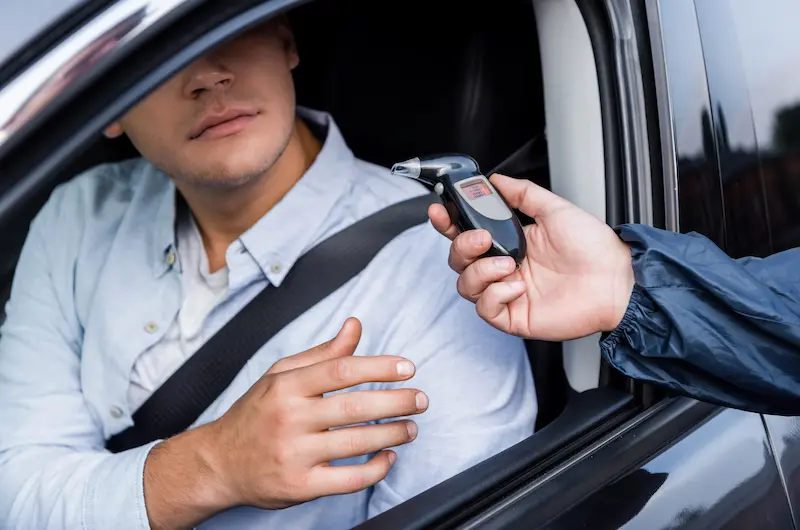
How The Intoxilyzer 9000 Works & Where It Goes Wrong
The Intoxilyzer 9000 does not measure alcohol in your blood directly. It measures alcohol vapor in your breath and converts that reading to an estimated blood alcohol concentration using a fixed partition ratio, the assumed relationship between breath and blood alcohol. Texas sets that ratio at 2100 to 1. The problem is that this ratio varies from person to person and shifts based on body temperature, lung condition, and the timing of your last drink. When your actual ratio differs from the assumed value, the device produces a number that does not match your true BAC. That margin of error is most significant when the reading is near the 0.08 threshold, where even a small variance can be the difference between a charge and a dismissal.
Calibration, Maintenance & The Paper Trail That Can Undo A Result
Texas requires Intoxilyzer 9000 units to follow Intoxilyzer 9000 calibration standards set by the DPS Breath Alcohol Testing Program. Each device must be calibrated on a regular schedule, and every calibration must be documented. The administering officer must also hold a valid certification, one that lapses, requires renewal, and can fall outside authorized scope if training has not been kept current. In a Dallas DWI case, the calibration records, inspection logs, and the operator’s certification at the time of the test are all discoverable. A gap in the calibration timeline, an expired certification, or a documented maintenance failure can support a suppression motion or challenge the weight of the evidence at trial. These records do not appear in your discovery packet automatically. They have to be specifically requested.
What Can Cause A False Positive On A Texas Breath Test?
The Intoxilyzer 9000 uses infrared light to identify compounds in breath. It targets ethanol, but other compounds with similar infrared signatures can register as alcohol. As part of any thorough DWI defense strategy in Dallas, the following documented sources of interference should be reviewed before accepting a result as accurate:
- GERD and acid reflux, which can move stomach alcohol into the mouth and upper airway before the test
- Ketosis from a low-carbohydrate or ketogenic diet, which produces acetone that the device can misread as ethanol
- Mouth alcohol from mouthwash, breath spray, dental work, or medication used close to the time of the test
- Elevated body temperature from fever or exertion, which can increase the concentration of alcohol vapor in exhaled air
- Radio frequency interference from police equipment, cellular signals, or electronic devices near the testing area
Any of these conditions can affect the reading without reflecting actual blood alcohol concentration at the time of driving.
The 20-Minute Observation Rule & Why It Matters In Court
Before administering a breath test, the officer is required to observe the suspect continuously for at least 20 minutes under Texas DPS protocol. The purpose is to prevent mouth alcohol contamination, if the subject belches, vomits, regurgitates, or introduces any substance into their mouth during that window, the test must be restarted. If the observation period is not completed correctly, or if the officer was distracted, left the room, or failed to document it properly, the test result can be challenged on procedural grounds. Defense attorneys routinely request body camera footage, dash camera video, and station logs to verify whether the full observation period was actually completed before the machine was started.
Your Right To A Second Test & How Defense Attorneys Fight Back
Under Tex. Transp. Code § 724.016, a person who gives a breath specimen has the right to have an additional test performed by a qualified person of their choosing. This right is almost never communicated at the scene. If your result is near 0.08, the timing between drinking and testing also matters separately, a station reading can reflect a BAC that was still rising at the time you were driving, which is a distinct challenge covered by the rising BAC defense in Dallas.
Defense attorneys challenge breath test results by systematically requesting and reviewing:
- The full calibration log and inspection records for the specific device used
- The administering operator’s current and historical certifications
- The 20-minute observation documentation and any available video
- The device’s complete maintenance history going back at least one year
According to breath alcohol testing scientific research, no device of this type is immune to procedural failure or environmental interference. When the State cannot produce complete documentation across those categories, the reliability of the result becomes a disputed issue at trial, not a settled fact.
Get A Real Look At Your Breath Test Before The Case Moves Forward
A breath test result in Dallas is not the end of your case. Schedule a confidential case evaluation with The Medlin Law Firm. We will request the calibration records, the operator certifications, and the observation documentation and tell you honestly whether any of it gives you a legitimate basis to challenge what that machine produced.
Related Posts


Request a Free Case Evaluation
CATEGORIES