


Refused A Breath Test In Dallas? Protect Your License Now
TL;DR:
If you refused a breath test in Dallas, your case likely split in two right away. One is the criminal DWI case. The other is the license case under Texas’s ALR system, and that license deadline can start running almost immediately. A refusal does not end the evidence fight. It changes it, and the first thing to protect is your ability to drive.
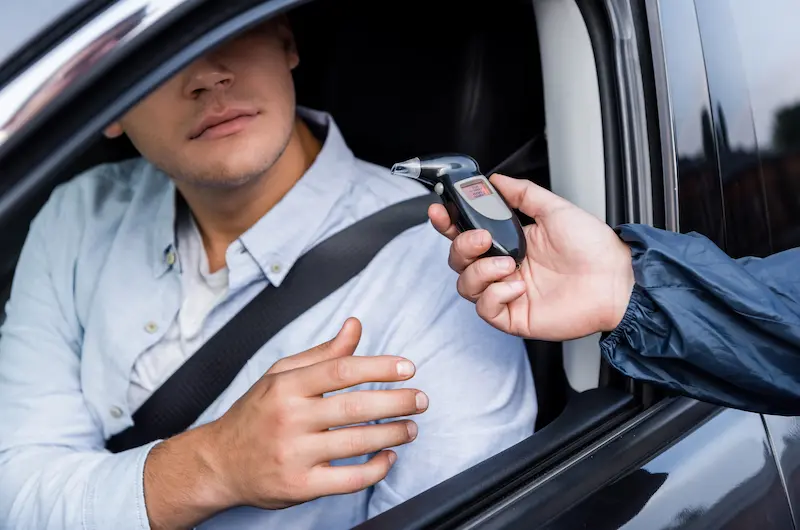
Refused A Breath Test In Dallas, What Now?
If you were arrested in Dallas and refused a breath test, you are probably worried about two things at once. You want to know whether your license is about to disappear, and you want to know whether refusing helped or hurt the DWI case. Those are fair questions, but they need straight answers. In Texas, a breath test refusal can trigger an Administrative License Revocation case with the Department of Public Safety, and that civil process is separate from the criminal DWI case in court.
That split matters whether this is a first-time DWI, a Dallas DWI case, a felony DWI, or an allegation involving a DWI with a child passenger. The license problem can start moving before the criminal case feels real, and the refusal itself may still come into evidence later.
What The 15-Day ALR Deadline Means For Your License
The first deadline is the one people miss. Texas DPS says that when you are served with notice after a refusal, you have 15 days from the date you were served to request an ALR hearing. If no hearing is requested, DPS says the suspension goes into effect on the 40th day after notice was served. The ALR case is civil, not criminal, but it can still take your ability to drive if you do not act in time.
In a standard refusal case, Texas law sets the suspension at 180 days, and it can rise to two years if your driving record shows one or more alcohol-related or drug-related enforcement contacts within the prior 10 years. That is why a refusal case is not just about what happened on the roadside. It is also about what is already on your record and whether the notice was served in a way that starts the clock.
If that deadline is already running, do not wait for the criminal court date to figure things out. Schedule A Confidential Case Evaluation with The Medlin Law Firm before the ALR deadline closes. This is the point where early action can protect your driving privileges and help shape the evidence fight from the start.
What Paperwork To Check Before You Miss Something Important
After release, many people focus on the bond papers and forget the license paperwork. That is a mistake. In a refusal case, the most important document may be the notice showing you were served and when that service happened, because that date drives the hearing deadline under the ALR process. Texas DPS explains the hearing-request path through its Administrative License Revocation program, and that is where the time pressure starts making itself felt.
Before you put everything in a drawer, find and keep:
- The suspension or denial notice tied to the refusal
- Any temporary driving or release paperwork you received with it
- Your bond papers and criminal court date information
- Towing, vehicle, and property receipts that help rebuild the timeline
Those papers do not prove the case for you, but they help answer the questions that matter right now. When were you served? When does the ALR clock start? What court is handling the criminal side? And what evidence can still be tracked down before it disappears.
Why A Breath Test Refusal Creates Two Separate Dallas Cases
A lot of people think refusing the breath test means there is only one fight left. That is not how Texas handles it. DPS says the ALR process is a civil administrative process unrelated to the criminal court proceeding. So even if the DWI case is still being screened, filed, or negotiated in Dallas County, the license case may already be moving on its own track.
The criminal side is still the DWI case itself. Under Tex. Penal Code § 49.04, the State still has to prove intoxication while operating a motor vehicle in a public place. The refusal does not automatically prove that. But it also does not erase the rest of the State’s evidence. The officer may still rely on driving facts, body camera, field sobriety testing, statements, witness accounts, and any other observations made during the stop and arrest.
That is why refusal does not neatly help or hurt in every case. Sometimes it keeps out a breath number the State would rather have. Sometimes it shifts the case toward officer observations and procedure. Sometimes it still leads to blood evidence. If you want the broader background, our pages on refusing a DWI breathalyzer or blood test in Texas and DWI charges and your driver’s license explain the larger picture from both angles.
Can Refusal Still Lead To Blood Evidence In A Dallas DWI?
Yes. A refusal does not guarantee there will be no chemical evidence. Texas law requires officers to warn that if you refuse, the refusal may be used later and the officer may apply for a warrant authorizing a specimen to be taken. Texas law also allows required breath or blood specimens in some refusal cases involving certain serious fact patterns, including particular injury or prior-offense situations.
That is one reason people get misled by the idea that saying no ends the testing issue. Sometimes it does change the evidence. Sometimes it only changes how the State gets it. And even when no breath result exists, Texas law allows the refusal itself to be introduced into evidence at trial. So the question after a refusal is not whether the case disappeared. The question is what evidence exists now, how it was obtained, and what can still be challenged.
How Refusal Can Affect First-Time And Felony DWI Charges
Refusal cases can look very different depending on the charge level and the facts. In a first-time DWI, the fight may center on the stop, field tests, officer observations, and whether the refusal becomes more important because there is no breath number. In a felony DWI, a refusal can sit inside a much bigger case where prior history, punishment range, and license consequences all matter at once. And when an investigation points toward intoxication manslaughter, the refusal issue can become only one part of a much more serious evidentiary fight.
The safest answer is that refusal usually changes the evidence fight more than it solves it. It may remove one kind of proof. It may create another problem. It may also open the door to early defenses if the stop, arrest, warning, paperwork, or specimen process was mishandled. That is why these cases need to be reviewed as procedure cases, not just drinking cases.
What You Should Do In Dallas Right After A Breath Test Refusal
Start with the deadline. Confirm the date you were served with notice and calculate the ALR hearing window. Then preserve everything. Keep the paperwork, save any release documents, write down what happened at the stop, and do not post about the arrest online. If there is a body camera, dash camera, towing information, or witness information that may help later, that needs attention early, not after the case has been sitting for months.
Do not assume refusing was a winning move or a losing move until the facts are actually reviewed. The real issue is what the State can prove now, what DPS is doing with your license, and whether the stop, refusal warning, arrest, warrant process, or testing path created legal problems the defense can use. In these cases, your freedom to drive and your criminal defense start moving at the same time, even though they are separate proceedings.
The Medlin Law Firm Can Help Before The Deadline Hits
If you refused a breath test in Dallas, do not treat this like a normal wait-and-see DWI. Schedule A Confidential Case Evaluation with The Medlin Law Firm right away. We can review the ALR deadline, the service date, the refusal paperwork, the criminal charge, and whether the evidence fight is really about the stop, the warnings, the refusal, a warrant blood draw, or all of it together. The sooner you act, the more room there is to protect your license and your defense before the case hardens around the officer’s version of events.
Related Posts



Request a Free Case Evaluation
CATEGORIES


