


Defense Strategies & Constitutional Protections In TX Courts
Summary:
A smart defense in Texas depends on more than what happened, it depends on how the State tries to prove it. Lawyers use constitutional protections like the right to remain silent, the right against unlawful searches, and the right to a fair trial to expose weak or unfair prosecution tactics. Alibi claims, lack of probable cause, and suppressed evidence can all flip the direction of a case. Knowing your rights is the first step to protecting your future in a Texas courtroom.
Even with solid evidence, prosecutors in Texas must follow the rules, and those rules start with the Constitution. Your rights don’t disappear just because you’re charged with a crime.
A defense lawyer’s job is to make sure the court sees the full picture, not just the police report. That means challenging bad searches, false assumptions, and weak identification before those things become part of a permanent record.
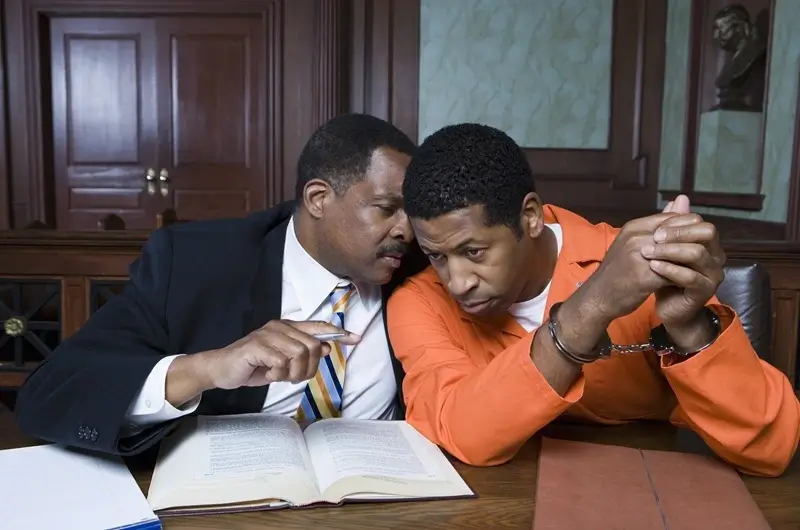
Core Defense Strategies Used In Texas Criminal Cases
Prosecutors often build their cases around quick statements, police reports, and assumed timelines. But in Texas courts, those assumptions don’t go unchallenged. A strong defense strategy isn’t just reactive, it’s about shifting the focus to what the State can’t prove, and what they’re ignoring.
Alibi Evidence & Timeline Reconstruction
An alibi can be one of the most direct ways to counter a criminal charge. If you weren’t there when the crime happened, that’s a defense the jury can’t ignore. But in practice, it takes more than saying, “I wasn’t there.”
An experienced lawyer tracks down surveillance footage, texts, credit card transactions, or witnesses that confirm your location at the time of the incident.
In Fort Worth cases, even partial alibis, like being across town minutes before, can create enough doubt to weaken the State’s timeline. When the timeline starts to fall apart, the whole case can lose momentum.
Challenging Identification & Witness Reliability
Eyewitnesses are wrong more often than most people think. Memory fades, lighting is poor, and stress affects how people perceive events. If someone picked you out of a lineup or photo array, your lawyer can examine how that process was done. Was it suggestive? Were the instructions biased?
Your defense team may also look at the witness’s history, have they changed their story? Do they have a motive to lie? In Texas courts, cross-examining a shaky witness can be one of the most effective tools for creating doubt.
Attacking Illegal Searches & Seizures
The Fourth Amendment protects against unreasonable searches and seizures. If the police found something during a traffic stop, home entry, or phone search, your lawyer will dig into how that search happened. Did they have a valid warrant? Was there probable cause? Did they overstep the boundaries of what was allowed?
When a search violates your rights, the evidence may be thrown out completely. Without that evidence, the prosecution’s case may fall apart, especially in drug, weapon, or digital evidence cases.
Exposing Weak Or Missing Elements Of The Offense
To convict you, the State must prove every element of the charge beyond a reasonable doubt. That means not just that something happened, but that you acted knowingly, intentionally, or recklessly, depending on the offense. Many cases fall apart because prosecutors assume intent without clear proof.
Your lawyer may argue that the act was accidental, misinterpreted, or that your actions didn’t meet the legal definition of the charge. In Texas law, close isn’t close enough.
Using Expert Testimony To Undercut the State’s Theory
When the facts are complex, like in forensic or financial crimes, experts can play a key role. Defense teams often call on psychologists, forensic analysts, or accident reconstruction experts to challenge the State’s version of events.
These experts can explain what really happened, or what likely didn’t. Jurors tend to listen when a qualified professional explains flaws in the evidence. It can turn a technical case into one that suddenly makes more sense in your favor.
Strong defenses combine these strategies depending on what the case demands. And each one works best when backed by a firm understanding of your constitutional protections, which is where we go next.
Constitutional Protections That Shape Texas Criminal Cases
Every criminal defense in Texas is built on more than just strategy, it’s built on your rights. These protections come straight from the Constitution, and they apply whether you’re facing a misdemeanor or a felony in Fort Worth. The job of a defense lawyer is to make sure the court honors them from start to finish.
| Right / Amendment | What It Means in Real Cases | How Defense Lawyers Use It to Protect You |
| Fourth Amendment | ||
| (Search & Seizure) | Police can’t search your home, car, or phone without a valid warrant or clear legal reason. | If a search is unlawful, your lawyer can file a motion to suppress the evidence, sometimes leading to dismissal. |
| Fifth Amendment | ||
| (Self-Incrimination) | You have the right to remain silent and not testify against yourself. | Your lawyer ensures you don’t say anything that can be used against you, whether during arrest, interrogation, or trial. |
| Sixth Amendment | ||
| (Counsel & Confrontation) | You have the right to a lawyer and to face the witnesses against you. | Your attorney cross-examines those witnesses and challenges unreliable or biased testimony. |
| Fourteenth Amendment | ||
| (Due Process) | You’re entitled to fair procedures and equal treatment under the law. | Lawyers use this to challenge unfair treatment, delays, or biased prosecution tactics in Texas courts. |
| Miranda Rights | Police must read you your rights before custodial interrogation. | If they don’t, your statements may be thrown out, protecting your defense from harmful admissions. |
| Right to Speedy Trial | You can’t be held indefinitely waiting for trial. | A lawyer can demand dismissal if the State drags its feet or delays without good cause. |
These rights aren’t just legal theories, they’re tools. When used correctly, they help defense lawyers in Fort Worth shift the balance of power and hold the prosecution accountable. And they’re most effective when enforced early, before the damage is done.
How Defense Lawyers Use These Tools In Real Fort Worth Cases
Constitutional protections and legal strategy aren’t just courtroom theory, they’re tools your defense lawyer applies every day in Fort Worth courtrooms. The difference between a conviction and a dismissal often comes down to how these tools are used when it counts.
Drug Charges Dropped After Illegal Search
In one Fort Worth case, a traffic stop led to a car search where police claimed to “smell marijuana.” They found a small bag of pills and charged the driver with felony possession. But the stop dragged on for nearly 20 minutes before a K9 arrived, without probable cause or consent.
The defense lawyer challenged the delay and showed the officer lacked legal grounds to extend the stop. The court ruled the search unconstitutional, suppressing the drug evidence. Without that, the case fell apart.
Alibi Clears Domestic Violence Accusation
A man was charged with assaulting his ex-girlfriend during an argument. She claimed he showed up at her apartment uninvited and attacked her, but the timeline didn’t quite match up. He said he was out of town, but police made the arrest anyway based on her statement alone.
His attorney quickly gathered toll road records, receipts, and security video from a hotel showing he was 200 miles away when the incident occurred. The State dropped the case before it reached trial, once it became clear the timeline couldn’t hold up.
Gun Charge Reduced After Proving No Intent
In another Fort Worth case, someone was pulled over with a firearm under their passenger seat. Because the driver had a prior felony, they were charged with unlawful possession. But the car wasn’t registered to them, and they were using it for a delivery job.
The defense showed the gun wasn’t visible, wasn’t loaded, and there was no proof the driver knew it was there. Prosecutors eventually reduced the charge, avoiding a felony conviction and prison time.
Assault Case Flipped After Witness Cross-Examined
In a bar fight case, a witness claimed the defendant threw the first punch. But during cross-examination, the defense exposed that the witness had been drinking heavily, had a history of exaggerating stories, and had never seen the full incident.
That testimony was the only real evidence of intent. Once discredited, the prosecution had nothing left, and the case was dismissed mid-trial. Smart defense work doesn’t just poke holes in the case, it changes the entire direction of it.
Why Legal Strategy Is Your Strongest Defense Tool
No matter what you’re charged with, strategy shapes outcomes. Evidence matters, but so does how it’s challenged, presented, or kept out of court entirely. That’s what skilled defense lawyers focus on from day one.
In Fort Worth, prosecutors often assume the case is strong because there’s an arrest. But the Constitution doesn’t give them a shortcut. It gives you the right to push back, demand fairness, and require real proof, not just accusations.
At The Medlin Law Firm, we’ve helped clients across Texas protect their rights, reputation, and future by using smart, focused defense strategy. Whether it’s a weak search, a shaky witness, or a rushed investigation, we know how to take it apart.
Your defense isn’t just about reacting to charges, it’s about taking control of your side of the story before the court makes its decision. If you’re facing charges in Fort Worth, schedule a confidential case review today. Let’s build your defense together.
Related Posts



Request a Free Case Evaluation
CATEGORIES


