

Common Issues With Breathalyzer Tests In Texas DWI Arrests
Key Points:
Breathalyzer tests are a central part of many DWI arrests in Texas, but they come with common issues that can lead to unreliable results. Factors like health conditions, improper calibration, and officer mistakes can all throw off your BAC reading. These problems matter because breath test evidence is often the foundation of a DWI case. Understanding the flaws in Texas breathalyzer tests can be the key to building a strong defense.
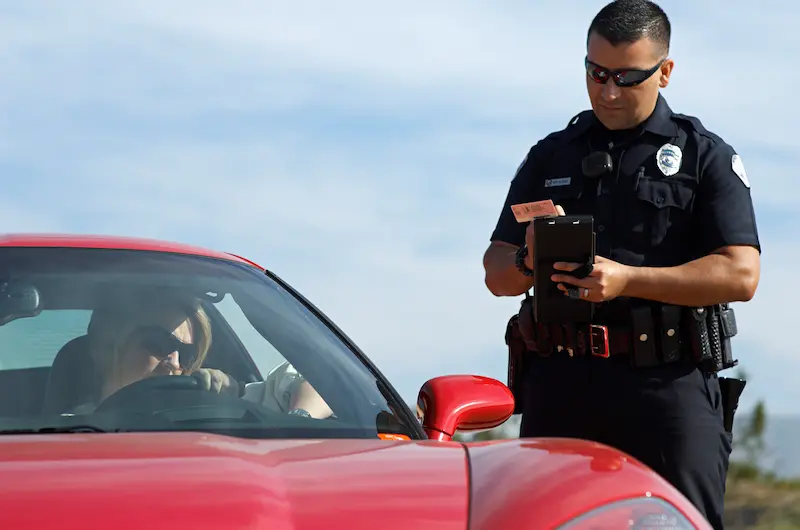
If you’ve been pulled over and asked to blow into a machine, that moment can shape the course of your life. In Texas, breathalyzer results are often central to a DWI charge. A number on a screen, your blood alcohol concentration (BAC), can mean the difference between a warning and handcuffs, between a dropped charge and a conviction.
Many people don’t realize until it’s too late: breathalyzer machines are not perfect. They can be wrong. They often are. Medical issues, mechanical errors, and even minor mistakes by the officer can all impact the results. If you’re facing a DWI charge in Fort Worth, it’s worth knowing how and why those numbers might not tell the full story.
How Breathalyzer Tests Are Used In Texas DWI Arrests
In Texas, breathalyzer tests play a major role from the roadside to the courtroom. Understanding how and when they’re used can make a big difference in how you approach your defense.
Texas Implied Consent Law
Under Texas Transportation Code § 724.011, by driving on public roads, you automatically give “implied consent” to alcohol testing if you’re lawfully arrested for DWI. Refusing a test can trigger an automatic license suspension, regardless of whether you’re later convicted.
Key Moments When Breath Tests Happen
- During the Traffic Stop: Officers may use a portable breath test (PBT) on the roadside. These handheld devices are used to establish probable cause, not to prove guilt in court.
- After Arrest at the Station: The official evidentiary breath test happens at the police station or jail, typically using an Intoxilyzer 9000 machine. This result can be used in court and often forms the backbone of the prosecution’s case.
Many people think the breath test is the final word. It’s not. These devices are tools, not truth-tellers. Officers must follow strict procedures before, during, and after the test. When those rules aren’t followed exactly, the results can and should be challenged.
What Can Mess Up A Breathalyzer Test In A Texas DWI Case?
Breathalyzer results carry a lot of weight in DWI cases, but they’re not foolproof. In fact, many Fort Worth residents are surprised to learn how many everyday factors can throw off those numbers. Below are some of the most common reasons a breath test might give an inaccurate or unreliable reading.
Here are the common factors that skew Texas breathalyzer results:
- Medical Conditions: Acid reflux, GERD (gastroesophageal reflux disease), and diabetes can cause alcohol-like compounds to appear in your breath, even when you’re under the legal limit.
- Mouth Alcohol Residue: Recently using mouthwash, cough syrup, or even burping shortly before the test can trap alcohol in your mouth and spike your reading.
- Improper Machine Calibration: Breathalyzers must be regularly calibrated and maintained. If the machine isn’t properly checked or updated, it may give false readings.
- Police Error: Officers are required to observe you for at least 15 minutes before administering a breath test. If they skip or shorten that observation, your test result may be flawed.
- Environmental Interference: Things like paint fumes, cleaning products, or even radio frequency signals can interfere with the device and affect the outcome.
Each of these issues is a valid reason to question the results in your DWI case. No machine or human is perfect. And when the stakes are this high, every detail matters.
Legal Standards For Breath Test Accuracy In Texas
When you’re charged with DWI based on a breath test, you’re not just up against a machine; you’re up against a system of rules and procedures that are supposed to ensure fairness. The question is: were those rules followed?
Texas law sets clear standards for how breath tests must be conducted, who can operate the machines, and how the results are handled. If any part of that process is mishandled, the test results may be challenged or excluded entirely.
Texas Breathalyzer Test Legal Requirements
| Standard | Texas Requirement |
| Observation Period | At least 15 minutes of continuous observation before the test is given. |
| Operator Certification | Only a certified breath test operator may administer the test. |
| Machine Calibration | The Intoxilyzer 9000 must be calibrated and maintained according to state regulations. |
| Approved Equipment | Only devices approved by the Texas Department of Public Safety may be used. |
| Documentation | Test results, calibration records, and maintenance logs must be properly recorded. |
| Two Breath Samples | Two samples must be taken within a short window to ensure consistency. |
These aren’t technicalities; they’re legal protections. If any of these steps are skipped, rushed, or poorly documented, your attorney may be able to argue that the breath test results shouldn’t be used as evidence.
How Texas DWI Lawyers Challenge Breathalyzer Test Results
Many people assume a breath test result is ironclad, but that’s not how the legal system works. In Fort Worth and across Texas, defense attorneys regularly expose weaknesses in breath test evidence. A strong legal strategy focuses on identifying exactly where the process went wrong.
Requesting The Full Breath Test Record
Before building a defense, attorneys dig deep into the evidence the state has. That means requesting everything from test logs and calibration reports to the arresting officer’s certifications. These records often reveal technical gaps, maintenance lapses, or human errors that can make the results unreliable.
Reviewing The Officer’s Procedures
How the test was administered matters just as much as the result. Lawyers look for whether the officer observed you properly, used the machine correctly, and followed all state-mandated steps. Even a small slip, like failing to wait 15 minutes before testing, can raise serious legal questions.
Bringing In Breath Test Experts
Sometimes the evidence needs more than a legal argument; it needs a scientific one. A forensic expert can review the raw data and explain why a result might be inaccurate due to medical issues, machine flaws, or improper handling. Their testimony can often tip the scales when a judge is deciding whether to allow the breath test in court.
Filing Motions To Suppress Unreliable Evidence
Once inconsistencies or errors are found, defense attorneys may file a motion to suppress the breath test. If granted, that evidence can’t be used in court, weakening the prosecution’s case significantly. In some instances, it can lead to dropped charges or more favorable plea deals.
These challenges aren’t about exploiting loopholes; they’re about making sure the law is followed, and the evidence is sound. If the state wants to rely on a breath test, it has to prove it’s accurate and properly obtained. That’s where experienced DWI defense makes a real difference.
Breath Test Results Are Not The End Of Your DWI Case
If you are reading this after a DWI arrest, you may feel overwhelmed. You might also feel defeated. It happens if a breathalyzer shows you were over the legal limit. But here’s what we want you to know: that number is not the final word.
At The Medlin Law Firm, we’ve seen firsthand how breath test results can be challenged. We’ve also experienced how DWI charges can be reduced or dismissed when the evidence doesn’t hold up. Machines make mistakes. Officers make mistakes. And the law gives you the right to demand fairness and accuracy every step of the way.
A breath test result might feel like a dead end, but it’s often just the beginning of your defense. If you or someone you care about is facing DWI charges in Fort Worth, don’t wait. Schedule a confidential consultation with our team today. We’ll review your case, explain your options clearly, and fight for your future.
Related Posts


Request a Free Case Evaluation
CATEGORIES