


ALR Hearing Vs DWI Case In Texas: Know Both Tracks
Key Takeaways:
An ALR hearing and a Texas DWI case are separate proceedings that can arise from the same arrest. The ALR case concerns your driver’s license, while the criminal case determines whether the State can prove DWI and impose criminal penalties. A standard ALR hearing request is generally due within 15 days after notice is served, while certain later blood-test notices provide 20 days from the mailing date. Waiting for your criminal court date can cost you the opportunity to challenge the administrative suspension.
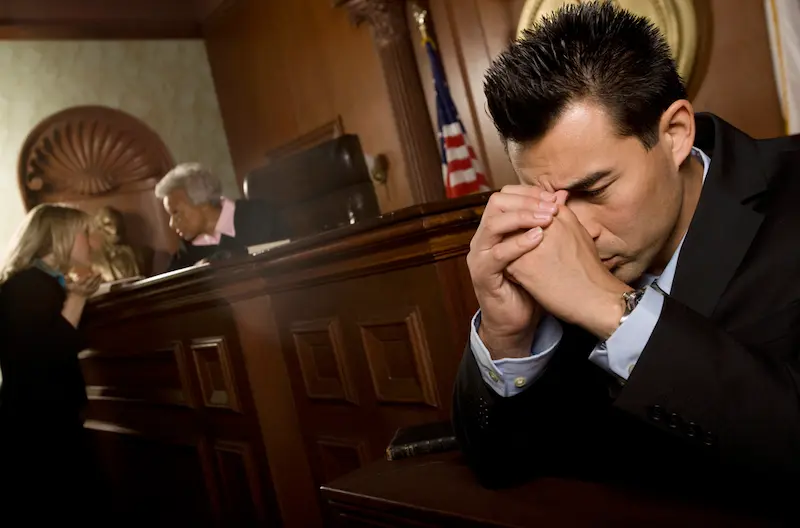
Two Separate Legal Tracks; ALR Hearing Vs DWI Case In Texas
A Fort Worth DWI arrest can put you on two legal timelines at once. One runs through the Texas Department of Public Safety (DPS) and the State Office of Administrative Hearings (SOAH). The other moves through the criminal courts in Tarrant County.
Both proceedings can use evidence from the same traffic stop, but they answer different questions and follow different rules. You can prevail in one proceeding and lose the other. You can also miss the license deadline while waiting for the criminal case to move.
That is why a Fort Worth DWI case should be evaluated as two separate legal problems from the beginning.
The Administrative License Revocation process is a civil administrative proceeding. DPS may seek to suspend or disqualify driving privileges after certain breath or blood test failures or refusals. The criminal DWI prosecution is separate and can result in jail, fines, probation, a criminal record, and other consequences.
Tex. Transp. Code § 524.012 specifically provides that an administrative determination is civil and independent of the criminal charge. The same or similar facts can still be litigated in the criminal prosecution.
The ALR Hearing Timeline Can Move Before The DWI Case
The license deadline may arrive before you receive a criminal court setting. DPS states that a person served with a suspension notice generally has 15 days from service to request an ALR hearing. A timely request prevents the proposed suspension from taking effect while the administrative case is pending.
There is an important timing difference for certain blood-test cases. If you consented to a blood test and DPS later mails a suspension notice after receiving an over-limit result, DPS currently provides 20 days from the mailing date to request a hearing.
Who Decides Your Texas ALR Hearing Vs Your DWI Case?
The ALR case is heard by an administrative law judge with SOAH. DPS is represented in that proceeding, and the administrative judge determines whether the proposed license suspension should be sustained. The judge does not determine whether you are criminally guilty of DWI.
The criminal case proceeds in a Texas criminal court. Prosecutors track the DWI charge, and a criminal judge or jury determines guilt if the case reaches that stage.
What DPS Must Prove At A Texas ALR Hearing
The issues depend on whether the case involves a failed test or refusal. Under Tex. Transp. Code § 524.035, DPS must prove the required issues by a preponderance of the evidence, including an over-limit alcohol concentration and reasonable suspicion for the stop or probable cause for the arrest.
In refusal cases, DPS must address the legality of the stop or arrest, probable cause to believe the driver was intoxicated, whether a specimen was requested, and whether the driver refused.
Texas implied-consent and refusal procedures appear in ALR hearing rights under Chapter 724.
What Prosecutors Must Prove In A Texas DWI Case
The criminal burden is higher. Under Tex. Penal Code § 49.04, prosecutors must prove beyond a reasonable doubt that you were intoxicated while operating a motor vehicle in a public place.
The State may use driving behavior, officer testimony, video, statements, field sobriety tests, and breath or blood evidence. The defense can challenge the stop, proof of operation, test reliability, and whether the evidence shows intoxication at the relevant time.
Winning the ALR hearing does not dismiss the DWI charge because the proceedings have different purposes and burdens of proof.
Evidence Can Overlap In Texas
The same officer reports, traffic-stop facts, chemical tests, and observations may appear in both proceedings. That overlap is one reason an ALR hearing should not be viewed only as a license matter.
The hearing can provide an early look at evidence concerning the stop, probable cause, chemical testing, and refusal. SOAH rules also provide procedures for subpoenas requiring testimony or production of certain documents.
Using ALR Hearing Evidence In A Texas DWI Defense
Officer testimony at an ALR hearing may preserve an early account of the arrest. The defense can later compare that testimony with bodycam footage, dashcam video, the offense report, field sobriety testing, and testimony in criminal court.
That does not mean every ALR hearing should follow the same strategy. Calling an officer, presenting evidence, or taking a particular position can affect the criminal case. Decisions should account for the stop, test type, refusal status, prior history, and evidence already available.
When ALR Deadlines Come Before DWI Court Proceedings
If you were personally served with a suspension notice, the standard hearing-request deadline is generally 15 days after service. If no timely request is made, the suspension ordinarily takes effect on the 40th day after notice is received or presumed received.
For certain later blood-result notices mailed by DPS, the current procedure allows 20 days from the mailing date to request the hearing. Your first criminal court appearance may fall outside either window.
Missing A Texas ALR Hearing Deadline Can Cost Your Challenge
Texas law treats the hearing request as time-sensitive. Missing the applicable deadline can allow the administrative determination to become final, and DPS states that late standard ALR requests are denied.
The separate 15 day Texas DWI license deadline may therefore require action while the criminal investigation and charging process are still developing.
Outcomes Can Go Different Ways
One proceeding does not control the other. You may win the ALR hearing and still face DWI prosecution, or lose the ALR hearing and later receive a favorable criminal result.
An acquittal is different. Under Tex. Transp. Code §§ 524.015 and 724.048, a qualifying acquittal from the same occurrence can prevent or rescind the related suspension. A dismissal or negotiated resolution does not automatically eliminate an ALR consequence.
Fort Worth Side By Side Guide For ALR Hearings & A DWI Case
| Question | Texas ALR Hearing | Texas DWI Case |
| Main Issue | Driver’s license suspension | Criminal guilt or innocence |
| Decision Maker | SOAH administrative law judge | Criminal judge or jury |
| Government Side | Texas DPS | State prosecutor |
| Main Evidence | Stop, arrest, refusal, or test result | Driving, statements, tests, video, witnesses |
| Burden | Civil administrative standard | Beyond a reasonable doubt |
| Early Deadline | Often 15 days, with different timing for certain mailed blood notices | Depends on criminal court schedule |
| Possible Result | Suspension sustained or avoided | Dismissal, plea, acquittal, or conviction |
| Can One Continue Without The Other? | Yes | Yes |
If you were arrested for DWI in Fort Worth, schedule a free case evaluation with The Medlin Law Firm before assuming the criminal case is your only deadline. We can review the suspension notice, test or refusal, ALR hearing window, stop and arrest evidence, criminal charge, and upcoming court requirements. Coordinating both proceedings early can help preserve the opportunity to challenge a license suspension while the evidence in the DWI case is being gathered and tested.
Related Posts



Request a Free Case Evaluation
CATEGORIES


